
February 2, 2026
.webp)
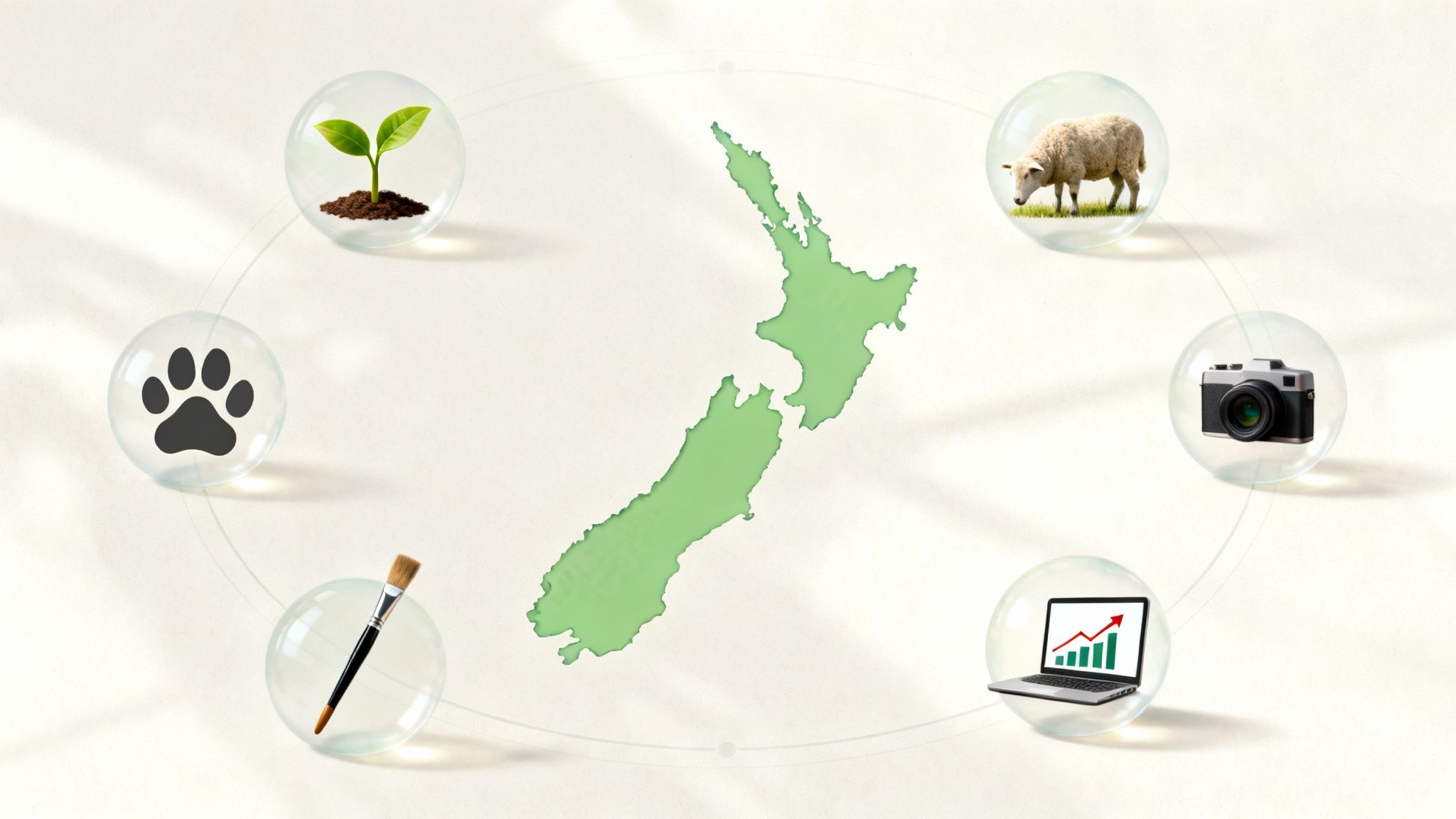
10 Practical Passive Income Ideas NZ To Start In 2026
Explore 10 proven passive income ideas NZ designed for Kiwis. From agri-tech to digital products, start building your financial future in New Zealand today.
Practical Skills
minutes
In New Zealand, the dream of financial freedom isn't just about working harder, it's about working smarter. The concept of 'passive income' often brings to mind unrealistic schemes, but the reality is far more practical and achievable. It's about creating systems, assets, and businesses that generate revenue with minimal ongoing, day-to-day effort once established.
This guide is tailored specifically for Kiwis, focusing on actionable passive income ideas NZ has to offer, from leveraging our unique agricultural landscape to capitalising on the growing digital economy. Whether you're a farmer in Waikato, a creative in Wellington, or a pet lover in Christchurch, these strategies are designed to help you build sustainable, long-term wealth that complements your current work and lifestyle. We move beyond generic advice to provide a clear roadmap for Kiwis looking to diversify their income streams.
We will explore ten distinct paths, breaking down the realistic earnings, startup costs, and crucial legal and tax considerations for each. You will find step-by-step guidance to get started, along with specific New Zealand-based resources and platforms to help you succeed. It is important to note that while we provide educational pathways to develop your skills, Prac Skills is not a NZQA registered college and our courses are designed for practical, real-world application. This comprehensive list is your starting point for building lasting wealth in Aotearoa.
1. Rental Property Investment & Airbnb Hosting
Leveraging New Zealand’s robust property market for passive income is a classic strategy, involving either long-term residential rentals or short-term holiday letting through platforms like Airbnb and Bookabach. Long-term rentals provide consistent, predictable monthly income, while short-term lets can yield higher returns, especially in tourist hotspots like Queenstown, the Coromandel, or major city centres.

This approach is one of the more capital-intensive passive income ideas in NZ, but it offers the potential for both cash flow and long-term capital appreciation. Successful execution depends on choosing the right location, understanding tenancy laws, and managing expenses effectively.
Getting Started
- Financial Foundation: Assess your capital. Many Kiwis start by using their KiwiSaver for a first home deposit or leveraging equity from their existing home to purchase an investment property.
- Location Research: Analyse areas with high rental demand. Look for proximity to universities for student accommodation, city centres for professionals, or popular holiday spots for short-term rentals.
- Legal & Compliance: Familiarise yourself with the Residential Tenancies Act for long-term rentals. For short-term lets, check your local council's regulations, as rules around Airbnb-style accommodation vary significantly between regions like Auckland and Queenstown-Lakes.
- Pooling Resources: If purchasing a property solo is out of reach, you can explore group investment. For a clear overview of passive property investment, understanding what is real estate syndication serves as an excellent starting point.
Key Considerations
To make this venture truly passive, consider hiring a property management company. They handle tenant screening, maintenance, and rent collection for a percentage of the rental income, freeing up your time. Remember to factor in all costs, including rates, insurance, maintenance, property management fees, and potential vacancy periods, to accurately calculate your net return.
2. Agricultural & Livestock Enterprise Diversification
For Kiwi farmers and rural property owners, diversifying existing operations is a powerful way to generate new income streams. This strategy moves beyond traditional commodity sales, focusing on creating value-added products, unique experiences, or specialised livestock programmes. It transforms a standard farming operation into a multi-faceted business, tapping into niche markets both locally and for export.
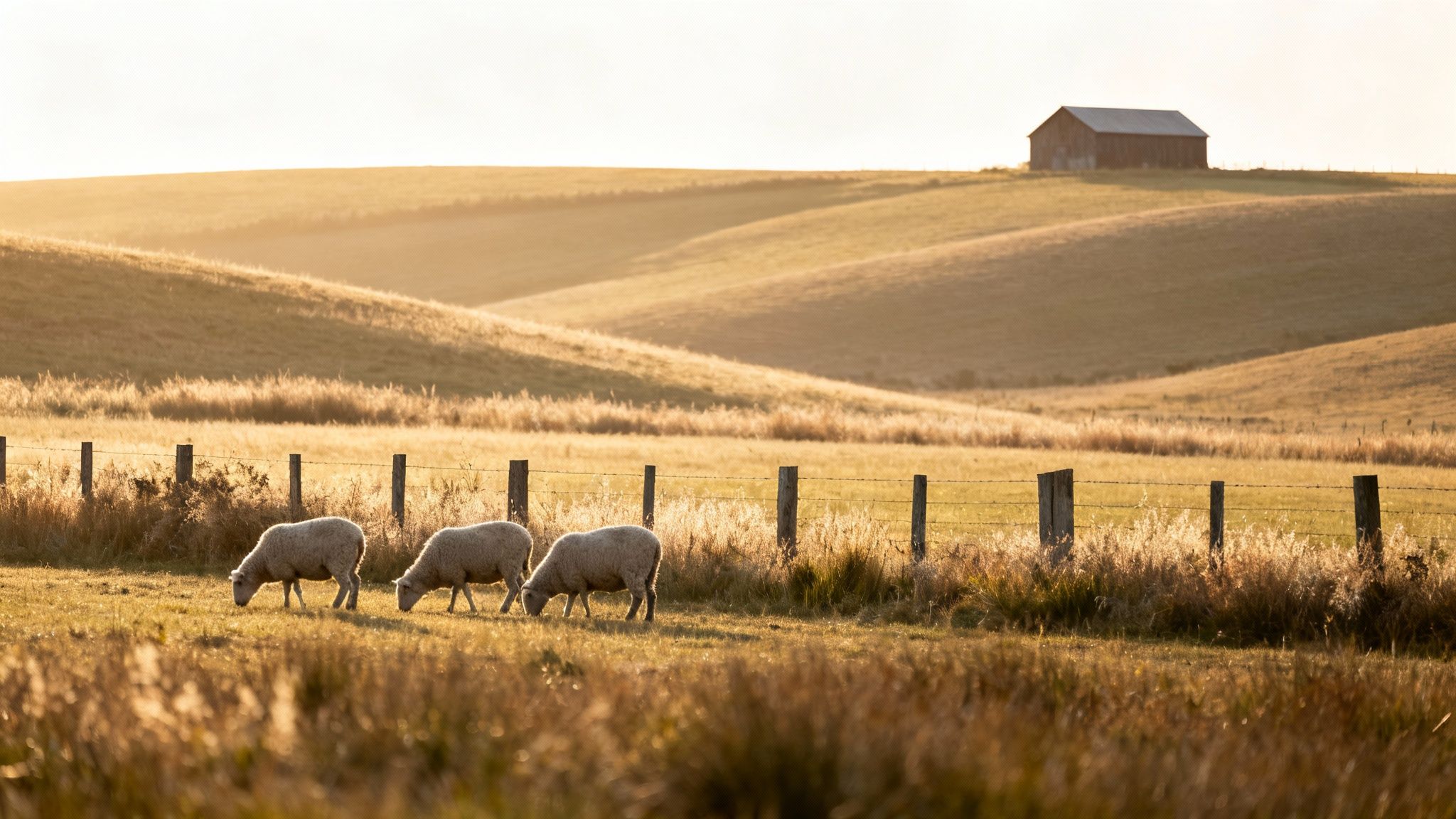
This approach leverages existing land and infrastructure to create higher-margin revenue. Examples include a Hawke's Bay vineyard adding a cellar door for direct sales, a West Auckland lavender farm offering agritourism tours and products, or a Southland deer farm selling premium venison directly to restaurants. The "farm-to-table" narrative is a significant asset here, allowing producers to build a strong brand story that resonates with consumers.
Getting Started
- Skill Development: Before diversifying, solidify your core knowledge. Building expertise through practical training can be invaluable; explore resources like agriculture courses in NZ to enhance your operational skills in livestock and farm management.
- Identify Your Niche: Analyse your existing assets. Do you have heritage breed sheep perfect for direct-to-consumer wool sales? Is your location ideal for a pick-your-own berry operation? Start with one value-added enterprise before scaling.
- Compliance & Regulations: Understand the requirements of the Food Act 2014 and any relevant National Programmes. Selling products directly to the public involves different compliance standards than selling to a processor.
- Build Your Brand: Develop a strong brand story. Use e-commerce platforms like Shopify or even Trade Me to reach customers directly. Invest in quality packaging and marketing that tells the story of your farm.
Key Considerations
While this method creates new income, it requires an initial investment of time and capital to set up. Focus on building direct relationships with local markets, cafes, restaurants, and export buyers to secure consistent sales channels. Look into support from regional development bodies, as grants may be available for projects that support economic diversification. Once established, systems like online stores and agritourism bookings can operate with minimal daily input, creating a more passive income flow.
3. Online Courses & Digital Product Sales
Capitalising on your unique skills and knowledge by packaging them into digital products is a powerful way to generate scalable passive income. This involves creating assets like online courses, e-books, or business templates once, then selling them repeatedly to a New Zealand audience with minimal ongoing effort. This model allows you to serve an unlimited number of customers without your direct time involvement for each sale.

This approach has a low barrier to entry compared to capital-intensive ideas and offers high-profit margins since there are no physical production or shipping costs. Success hinges on identifying a specific Kiwi niche, creating high-value content that solves a problem, and building a system to market and deliver your products automatically.
Getting Started
- Validate Your Idea: Before creating anything, confirm there’s a demand. Survey potential customers on social media, run a small pre-sale campaign, or research what similar creators are successfully selling to Kiwi audiences.
- Choose Your Format: Decide whether to create a comprehensive online course, a niche e-book, or practical templates. For example, you could create farm business planning templates for NZ farmers or a course on landscape photography focused on iconic Kiwi locations.
- Build Your Platform: Use platforms like Teachable or Thinkific to host courses, or set up a simple e-commerce store on your own website using tools like Shopify or Squarespace to sell digital downloads.
- Seek Credibility: To stand out, consider aligning your course with respected standards like CPD (Continuing Professional Development) or getting international accreditation from bodies like ICOES. These can add significant value and trust for learners.
Key Considerations
To make this income stream truly passive, you need to automate your sales and delivery process. This means setting up an effective sales page, an email marketing funnel to nurture leads, and an automated system that delivers the product immediately after purchase. Invest in quality production for your content; clear audio and video are non-negotiable for courses. Price your products based on the value they provide and what the New Zealand market will support, typically ranging from $97 to $497 for specialised courses.
4. Pet Services & Animal Care Micro-Businesses
Capitalising on New Zealand’s high rate of pet ownership offers a pathway to semi-passive income through systematised animal care services. This involves building a business around services like dog walking, pet sitting, or grooming and then scaling it by hiring staff or creating digital products, transforming your direct effort into a managed revenue stream.
This approach blends a passion for animals with smart business systems. While initially hands-on, the goal is to create repeatable processes and build a trusted brand that can operate with less direct involvement from you. Success hinges on reliability, building a strong reputation, and eventually, leveraging others' time or digital assets to generate income.
Getting Started
- Choose Your Niche: Decide on a specific service. Popular options in NZ cities like Auckland and Wellington include group dog walking, in-home pet sitting, or specialised grooming for certain breeds.
- Gain Foundational Skills: While formal qualifications aren't always required, understanding animal behaviour and safety is crucial. You can build a structured foundation with practical, skills-focused training, like a comprehensive Dog Walking & Pet Sitting course, to ensure you deliver a professional service.
- Build Your Brand: Start small to gather testimonials and build social proof. Create a simple website or a Facebook page and get listed on platforms like Care.com to find your first clients in local neighbourhoods.
- Systematise Operations: Create detailed checklists and standard operating procedures for every task, from client onboarding to daily pet care routines. This consistency is key for eventually hiring help and scaling the business.
Key Considerations
To make this one of the more passive income ideas in NZ, your focus must shift from doing the work to managing the business. Hiring reliable, vetted staff to handle the day-to-day services is the primary route to achieving this. Offering subscription packages, such as weekly dog walks or monthly grooming appointments, helps create predictable, recurring revenue. Remember to secure comprehensive professional and public liability insurance to protect yourself, your staff, and the animals in your care.
5. Affiliate Marketing & Commission-Based Content
Affiliate marketing involves creating online content that promotes other companies' products or services. When someone makes a purchase through your unique affiliate link, you earn a commission. This is an excellent passive income idea for Kiwis with a knack for creating engaging content on blogs, YouTube channels, or social media platforms, turning their niche passions into a revenue stream.
The key is to build an audience that trusts your recommendations. For example, a Kiwi farming blog could review and link to agricultural equipment, or a photography enthusiast could create tutorials and link to their preferred cameras and lenses. Once the content is published and optimised for search engines, it can generate income for months or even years with minimal ongoing effort.
Getting Started
- Choose Your Niche: Select a topic you are passionate and knowledgeable about. In New Zealand, this could be anything from sustainable farming practices and pet care advice to specific creative arts or photography techniques.
- Build Your Platform: Start a blog, a YouTube channel, or a dedicated social media account (like Instagram or TikTok). Focus on creating high-quality, valuable content that helps your target audience solve a problem or learn something new.
- Find Affiliate Programmes: Join affiliate networks like ShareASale, Awin, or Rakuten to find products relevant to your niche. Many NZ businesses also run their own independent affiliate programmes.
- Create & Promote: Develop content that naturally incorporates your affiliate links. This could be in the form of product reviews, how-to guides, or resource pages. Remember to clearly disclose your affiliate relationships to maintain trust with your audience, as required by NZ consumer law.
Key Considerations
To succeed, focus on authenticity and providing genuine value. Only recommend products you truly believe in and have ideally tested yourself. Building a loyal audience takes time, so consistency is crucial. SEO (Search Engine Optimisation) is your best friend here; optimising your content for relevant NZ keywords will help people find your recommendations through Google searches, driving traffic and potential commissions long after you’ve hit publish.
6. Photography & Visual Content Licensing
For Kiwi photographers, New Zealand’s breathtaking landscapes and unique culture offer more than just beautiful shots; they represent a significant passive income opportunity. This strategy involves licensing your high-quality images and videos to stock platforms, where businesses and creators can purchase them for commercial use. Beyond stock photos, you can also create and sell digital products like Lightroom preset packs, photography courses, or print-on-demand art.

This method transforms a creative passion into a scalable income stream. A single photo of Aoraki/Mount Cook or a unique shot of agricultural life can be sold hundreds of times over, generating royalties long after the shutter clicks. It’s an ideal way for creative Kiwis to monetise their skills without trading time for money directly.
Getting Started
- Build Your Portfolio: Focus on high-demand niches relevant to New Zealand. Think iconic landscapes (Milford Sound, Cathedral Cove), specific agricultural scenes (dairy farming, viticulture), native wildlife, and authentic Kiwi lifestyle moments.
- Choose Your Platforms: Don't limit yourself to one site. Upload your portfolio to multiple stock agencies like Shutterstock, Adobe Stock, and Alamy to maximise your reach and potential earnings.
- Develop Digital Products: If you have a unique editing style, package your settings into Lightroom presets and sell them on platforms like Etsy or Gumroad. These have very high-profit margins as they are infinitely scalable.
- Master the Technicals: High-quality, technically sound images sell best. If you need to refine your skills before you start, understanding the essentials of choosing the best camera for photography is a crucial first step.
Key Considerations
Success in stock photography is a numbers game; the more high-quality, well-tagged images you have, the higher your potential income. Use specific keywords and detailed descriptions (e.g., "Summer morning over Lake Wānaka, Otago, New Zealand") to ensure your photos are discoverable. For digital products like presets or courses, building a small audience on Instagram or YouTube first can provide a warm customer base for your initial launch, making this one of the more accessible creative passive income ideas in NZ.
7. Dropshipping & E-Commerce Product Sales
Dropshipping allows you to run an online store without ever holding inventory. When a customer in New Zealand buys a product from your website, you purchase the item from a third-party supplier (often overseas, but local options exist) who then ships it directly to the customer. This model removes the significant upfront cost and risk of buying stock, making it an accessible entry point into e-commerce.
The key to this passive income idea in NZ is finding a profitable niche, from specialised pet supplies to unique agricultural tools or wellness products. Your profit is the difference between your selling price and the supplier's cost. While the day-to-day order fulfilment is automated, success requires initial effort in brand building, marketing, and curating a compelling product selection.
Getting Started
- Niche Selection: Identify a target market with specific needs. Think about hobbies or industries popular in NZ, like outdoor gear, eco-friendly home goods, or specialised craft supplies. Validate demand using tools like Google Trends.
- Supplier Sourcing: Find reliable dropshipping suppliers. Platforms like AliExpress are common for beginners, but also explore local NZ-based suppliers for faster shipping times and potentially higher quality products. Always test products yourself first.
- Store Setup: Build your online storefront. Platforms like Shopify or WooCommerce offer user-friendly templates and integrations that make setting up a professional-looking e-commerce site straightforward, even for non-technical users.
- Product Curation: Start small with 10-20 carefully selected products. Write compelling, unique product descriptions and invest in high-quality photography to build trust and stand out from competitors.
Key Considerations
To make this venture more passive, focus on automating marketing through email sequences and social media scheduling. Customer service can be a time-consuming aspect, so create a thorough FAQ page and consider using chatbot services for common queries. Be transparent with customers about shipping times, especially if sourcing products internationally, to manage expectations and maintain a good reputation. Remember to register as a sole trader or company and understand your GST obligations once you reach the $60,000 annual turnover threshold.
8. Niche Blog & Content Monetization
Creating a specialized blog that targets a specific New Zealand audience is a powerful way to generate passive income. By focusing on a niche like sustainable farming practices, dog training in NZ, or landscape photography guides for the South Island, you can build an authoritative platform. Income is generated through methods like Google AdSense, affiliate marketing (promoting products you trust), sponsored posts, and selling your own digital products.
This digital-first approach requires a lower initial capital investment compared to physical assets. Success hinges on creating high-quality, valuable content that solves a problem or satisfies a curiosity for your target Kiwi audience. Over time, a well-optimised blog post can attract organic traffic and earn revenue for years with minimal ongoing effort.
Getting Started
- Choose Your Niche: Select a topic you are passionate and knowledgeable about. Consider areas like Kiwi wellness, guides to local tramping spots, specific agricultural tech, or creative crafts. A narrow focus (e.g., ‘best dog-friendly cafes in Wellington’ instead of just ‘dog care’) often performs better.
- Set Up Your Platform: Purchase a domain name and web hosting. Install a user-friendly platform like WordPress and choose a professional-looking theme.
- Create Pillar Content: Develop several in-depth, high-quality articles (1500+ words) that cover core topics in your niche. These cornerstone pieces will be the foundation of your site's authority.
- Promote and Grow: Share your content on relevant social media platforms and in NZ-based online communities. To accelerate your audience growth, implementing a strong content strategy is key; our guide on social media marketing for businesses provides actionable steps.
Key Considerations
To make this a truly passive income stream, focus on search engine optimisation (SEO). By targeting long-tail keywords relevant to New Zealanders (e.g., "how to grow feijoas in Auckland"), your content can rank on Google and attract consistent traffic without constant promotion. Remember to build an email list from day one to nurture your audience and create a direct line for monetisation opportunities later on.
9. Consulting & Coaching Programs (Productized & Group-Based)
For Kiwi experts in fields like agriculture, creative arts, or pet care, transforming your one-on-one expertise into a scalable group program is a powerful way to generate recurring revenue. Instead of trading time directly for money with individual clients, this model leverages your knowledge across a group, creating a more passive income stream. Examples include a mastermind for farm business strategy, a group coaching cohort for aspiring pet photographers, or a productized consulting package for dairy farm management.
This approach allows you to serve more people and increase your earning potential without proportionally increasing your working hours. The key is to create a structured curriculum with clear outcomes that can be delivered to a community, rather than just one person at a time, making it one of the more scalable passive income ideas in NZ for subject matter experts.
Getting Started
- Establish Authority: Before launching a paid program, build credibility. Share valuable insights through free content like blog posts, webinars, or speaking at local industry events. This proves your expertise and builds an audience.
- Define Your Program: Create a clear curriculum with defined modules, goals, and tangible outcomes for participants. Start with a smaller pilot group of 6-10 people to refine your content and gather feedback.
- Choose a Platform: Select a platform to host your community and materials. Options like Circle, Mighty Networks, or Kajabi provide the tools to manage members, share content, and facilitate discussions.
- Develop Your Offer: Price your program based on its value and duration, typically between NZ$300 - $1,000+ per person. Offer payment plans to make it more accessible and create a waitlist before launching to gauge interest and ensure enrolment.
Key Considerations
To add significant value and justify your pricing, include supplementary resources like downloadable templates, checklists, and recordings of all sessions. Actively collect testimonials and case studies from your first cohort; this social proof will be crucial for marketing future rounds of the program. Remember that while the delivery is scalable, the initial creation of the curriculum requires a significant upfront investment of your time and expertise.
10. YouTube Channel & Video Content Monetization
Creating a YouTube channel taps into the global demand for video content, offering multiple streams of passive income. For Kiwis, this means carving out a niche relevant to New Zealand life, such as sustainable farming practices, local pet care advice, or tutorials on creative arts, and monetising it through AdSense revenue, brand sponsorships, affiliate marketing, and selling digital products.
This approach leverages your expertise or passion to create evergreen content that continues to generate views and income long after it's published. Successful NZ channels often focus on specific, underserved topics, from showcasing high-country station life to offering dog training tips tailored for Kiwi pet owners, building a loyal community around their content.
Getting Started
- Niche Selection: Choose a specific area you are passionate and knowledgeable about. Think narrower than "farming"; consider "regenerative viticulture in Marlborough" or "training a NZ Huntaway." This reduces competition and attracts a dedicated audience.
- Essential Equipment: Start with a good quality smartphone camera and a separate microphone for clear audio. You can upgrade your camera and lighting as your channel grows. User-friendly editing software like DaVinci Resolve (which has a free version) is a great starting point.
- Content Strategy: Plan your first 10-15 videos. Create a content series, like a weekly farm update or a monthly DIY project, to encourage viewers to subscribe and return. Consistency is key to building momentum on the platform.
- YouTube SEO: Learn the basics of optimising your videos. Use relevant keywords in your titles, descriptions, and tags. Create compelling, high-contrast thumbnails with clear text that make people want to click.
Key Considerations
Monetisation on YouTube typically requires reaching 1,000 subscribers and 4,000 hours of watch time in a 12-month period to join the YouTube Partner Programme and earn AdSense revenue. Engaging with your community by responding to comments is crucial for growth. Remember to declare your income to the IRD, as earnings from YouTube, sponsorships, and affiliate sales are considered taxable income in New Zealand.
Comparison of 10 NZ Passive Income Ideas
Turning Your Ideas into Action and Income
You’ve explored a diverse range of passive income ideas nz, from the tangible returns of Airbnb hosting and agricultural diversification to the scalable potential of digital courses and affiliate marketing. We've navigated the practicalities of each, covering everything from startup costs and realistic earnings to the specific legal and tax considerations unique to Aotearoa. The journey from a promising idea to a consistent income stream is rarely a simple, straight line; it's a marathon that rewards strategic planning, initial effort, and persistent action.
The common thread weaving through all these opportunities, whether you're licensing your photography or building a niche blog, is the principle of front-loading your work. You invest your time, knowledge, and resources upfront to build an asset that can generate revenue with minimal ongoing intervention. This is the core of creating true financial resilience.
Key Takeaways from Your Passive Income Journey
Reflecting on the ten distinct paths we've covered, several crucial themes emerge that are vital for any aspiring Kiwi entrepreneur or side hustler:
- Alignment is Everything: The most sustainable passive income streams are born from the intersection of your existing skills, available resources, and genuine interests. A farmer is better positioned to diversify into agritourism than to launch a complex dropshipping store in an unfamiliar niche. A passionate photographer will find more long-term motivation in licensing their art than in managing rental properties.
- "Passive" Doesn't Mean "Absent": Every idea presented requires a significant initial investment of either time or capital, and often both. Creating an online course, setting up a YouTube channel, or establishing an Airbnb requires dedicated work to get off the ground. After launch, ongoing maintenance, marketing, and optimisation are still necessary to keep the income flowing.
- NZ-Specific Nuances Matter: From understanding your tax obligations with Inland Revenue (IR) to navigating local council regulations for a pet-sitting business, success in New Zealand requires a localised approach. Generic advice from overseas often misses these critical details, which can make or break your venture.
Your Actionable Next Steps: From Idea to Implementation
Feeling inspired is the first step, but turning that inspiration into income requires a clear plan. Instead of trying to tackle everything at once, focus on a methodical approach.
- Conduct a Personal Inventory: Honestly assess your strengths. What skills do you already possess? What resources (time, capital, equipment) do you have at your disposal? What topics or industries genuinely excite you? Use this reflection to shortlist the 2-3 ideas from this list that best fit your personal profile.
- Start with In-Depth Research: Dive deep into your chosen idea. Investigate the New Zealand market for that specific niche. Who are the existing players? What are the unmet needs of your target audience? What are the true startup costs and potential challenges?
- Prioritise Practical Skill Building: Identify the knowledge gaps between your current abilities and what's required to succeed. If you're considering animal care services but lack formal knowledge, a course in pet sitting is a crucial first step. If you aim to create a digital product, mastering content creation and online marketing is non-negotiable.
Key Insight: The most valuable investment you can make is in yourself. Building practical, market-ready skills transforms a vague idea into a viable business plan. It's the foundation upon which all successful passive income streams are built.
Ultimately, the goal is to build a system, an asset, or a business that works for you, giving you more time, freedom, and financial security. The path you choose is personal, but the principles of dedication, strategic planning, and continuous learning are universal. Start small, stay consistent, and begin building a more prosperous future today.
Ready to bridge the gap between your idea and a profitable reality? Prac Skills NZ offers a range of practical, career-focused courses designed to equip you with the specific skills needed to launch your venture, from Advanced Dairy Farm Management to our comprehensive Dog Walking & Pet Sitting course. Explore our course catalogue at Prac Skills NZ and find the hands-on knowledge you need to turn one of these passive income ideas into your success story.