
February 2, 2026
.webp)

8 Powerful Whakatauki About Learning to Inspire Your Growth in 2025
Discover powerful Māori whakatauki about learning. Explore 8 proverbs with translations and meanings to guide your educational journey in Aotearoa NZ.
Practical Skills
minutes
Embark on a journey to deepen your understanding of learning through the profound wisdom of Māori culture. Whakataukī, or traditional proverbs, are far more than just words; they are vessels of ancestral knowledge that offer guidance, inspiration, and a uniquely Aotearoa perspective on personal and professional growth. This article explores a curated collection of powerful whakataukī about learning, each one providing timeless insights that resonate strongly with today's challenges and opportunities.
For learners, business owners, and creators across New Zealand, these proverbs offer a framework for resilience, collaboration, and continuous improvement. By understanding and applying this wisdom, you can enrich your own educational path and professional development. To truly appreciate the depth of these proverbs, it helps to understand their origins. You can delve into the rich tapestry of Māori language and culture to gain a fuller context for the concepts we will explore.
In this guide, we will unpack the meaning behind each whakataukī, explore its cultural significance, and, most importantly, show you how to respectfully apply this wisdom in practical ways. Our goal is to connect you with actionable skills inspired by the rich cultural heritage of Aotearoa. As we celebrate and share this mātauranga (knowledge), it is important to clarify that Prac Skills offers practical, career-focused online courses and is not registered with NZQA. We are here to support your lifelong learning journey with valuable, real-world tools and insights. Let's explore how these ancient truths can empower your modern goals.
1. Ko au, ko koe, ko ia – tātou katoa
This foundational whakataukī about learning translates to "Me, you, him/her – we are all in this together." It speaks to a core principle in te ao Māori (the Māori world): learning is a collective journey, not a solitary pursuit. It moves beyond the individual to embrace the power of the group, where knowledge is co-created and shared for the benefit of everyone. This proverb highlights that each person, with their unique background and insights, is an essential piece of the puzzle.

The essence of "tātou katoa" is interdependence. It challenges the Western model of competitive, individualised learning and instead promotes collaboration, mutual respect, and shared responsibility. By acknowledging "ko au, ko koe, ko ia" (me, you, him/her), we recognise the value of every voice in the learning space.
Why This Whakataukī Matters for Learning
Using this proverb builds a supportive and inclusive learning environment. When learners see themselves as part of a collective, they are more likely to participate, ask questions, and support their peers. This approach fosters a sense of belonging and psychological safety, which are crucial for deep learning and personal growth. It shifts the focus from individual achievement to collective success.
Practical Ways to Apply "Tātou Katoa"
Embrace the spirit of collective learning with these actionable strategies:
- Implement Peer Mentoring: Pair learners with different skill levels. This allows the more experienced person to solidify their knowledge by teaching, while the other gains personalised support.
- Group Problem-Solving: Structure activities where success depends on the entire group's contribution. This could be a case study in a business workshop or a practical challenge in a hands-on course.
- Establish a 'Kōrero Circle': Begin or end learning sessions with a sharing circle where everyone has an opportunity to contribute a thought, a question, or a reflection without interruption.
- Celebrate Collective Wins: Acknowledge and reward group achievements. This reinforces the idea that when one person succeeds, the entire group benefits and moves forward together.
2. He whakataukī āhuatanga te matauranga
This profound whakataukī about learning translates to "Knowledge is a spiritual possession." It teaches us that true learning goes far beyond simply memorising facts or acquiring skills. It frames mātauranga (knowledge) as a sacred taonga (treasure) that nourishes our wairua (spirit) and shapes our entire being. This perspective encourages a deep reverence for the learning process, treating it as a transformative journey that involves emotional, intellectual, and spiritual growth.

The concept of knowledge as a spiritual possession requires respect, dedication, and mindfulness. It asks learners to engage with new information not just with their minds, but with their whole selves. In te ao Māori, this holistic approach is often seen in wānanga (institutions of higher learning) where karakia (prayers or incantations) and reflection are woven into the educational fabric to prepare the mind and spirit to receive knowledge.
Why This Whakataukī Matters for Learning
Adopting this mindset transforms learning from a transactional activity into a deeply meaningful experience. When learners view knowledge as sacred, they are more likely to approach their studies with intention, gratitude, and a sense of responsibility. This fosters a richer connection to the subject matter and promotes long-term retention and personal growth. It also helps create learning environments that are grounded, respectful, and supportive of overall wellbeing.
Practical Ways to Apply "He Whakataukī Āhuatanga te Matauranga"
Integrate this sacred approach to knowledge into your learning environment:
- Start with Intention: Begin learning sessions with a moment of quiet reflection, a karakia, or a shared intention. This helps centre learners and prepares them to engage respectfully with the material.
- Create Sacred Spaces: Dedicate a physical or mental space for learning that is calm, organised, and free from distractions. This signals that the activity is important and deserving of focus.
- Connect to Personal Values: Encourage learners to explore how new knowledge connects to their personal beliefs, identity, or spiritual wellbeing. This makes the learning more relevant and impactful.
- Practise Gratitude: End sessions by acknowledging the knowledge gained and expressing gratitude for the opportunity to learn. This could be a simple personal reflection or a shared group activity. This intentional engagement can be a key part of choosing between different learning styles; explore your options with this guide on active vs passive learning.
3. Ehara taku toa i te toa tu, engari he toa takitaki
This powerful whakataukī about learning translates to "My strength is not of a warrior who stands alone, but of a warrior who leads from behind." It profoundly redefines leadership and success within a learning context, shifting the focus from individual glory to collective empowerment. The proverb teaches that true strength is shown not by standing in the spotlight, but by supporting, nurturing, and elevating others so the entire group can succeed.
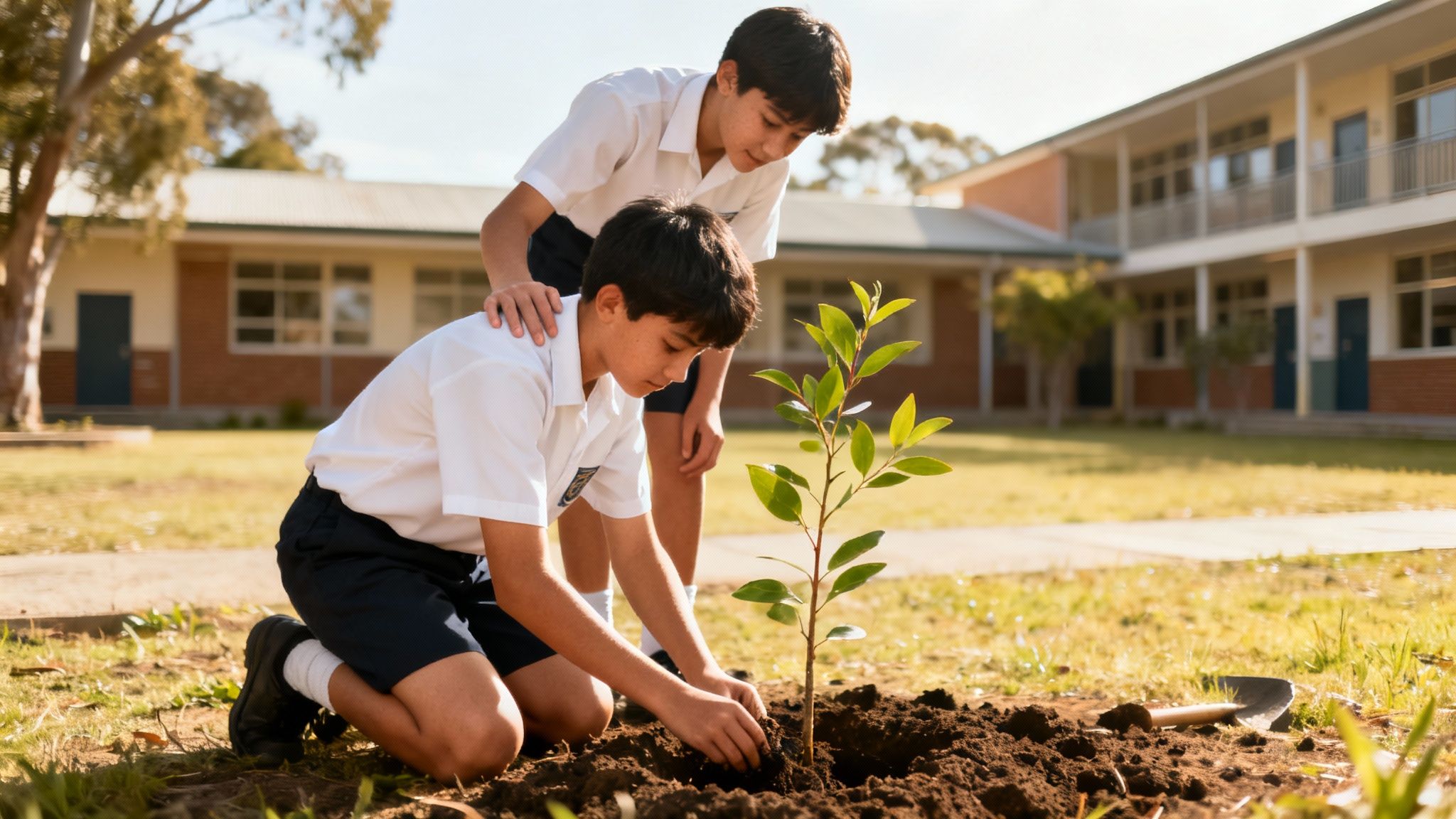
The essence of this whakataukī is servant leadership. It champions the idea that a leader's, or a knowledgeable person's, primary role is to create an environment where everyone can thrive. This contrasts with a competitive model where learners might see their peers as rivals. Instead, it promotes a culture of mentorship, shared responsibility, and mutual growth.
Why This Whakataukī Matters for Learning
Adopting this proverb’s wisdom cultivates a deeply collaborative and supportive learning culture. When learners are encouraged to help each other and lead from within the group, they develop not only subject matter expertise but also crucial skills in communication, empathy, and leadership. This mindset helps learners build confidence and overcome feelings of inadequacy, as success is measured by the group's progress. You can find more strategies for building career confidence on pracskills.co.nz.
Practical Ways to Apply "He Toa Takitaki"
Instil the spirit of collaborative excellence with these practical actions:
- Implement Peer Leadership Roles: Designate roles like 'group facilitator' or 'peer mentor' for specific projects, rotating them so everyone gets a chance to lead and support.
- Model Servant Leadership: As an educator or facilitator, consciously demonstrate this behaviour. Ask questions like, "What do you need to succeed?" and actively help remove obstacles for your learners.
- Celebrate Shared Achievements: When giving praise, highlight how individuals contributed to the group's success. For example, "Sarah's excellent research helped the whole team build a strong foundation."
- Structure Collaborative Projects: Create tasks where success is impossible without genuine collaboration, such as group presentations where each member is responsible for teaching a section to the others.
4. Ko te whare tuatahi he whare wānanga
This powerful whakataukī about learning translates to "The first house is a house of learning." It establishes a fundamental principle in te ao Māori: the home is the first and most important classroom. It highlights that the whānau (family) are the first kaiako (teachers), responsible for laying the foundation of a child's knowledge, values, and identity long before they enter any formal education. This proverb honours the home as a vital space where cultural knowledge, language, and core life lessons are passed down through generations.
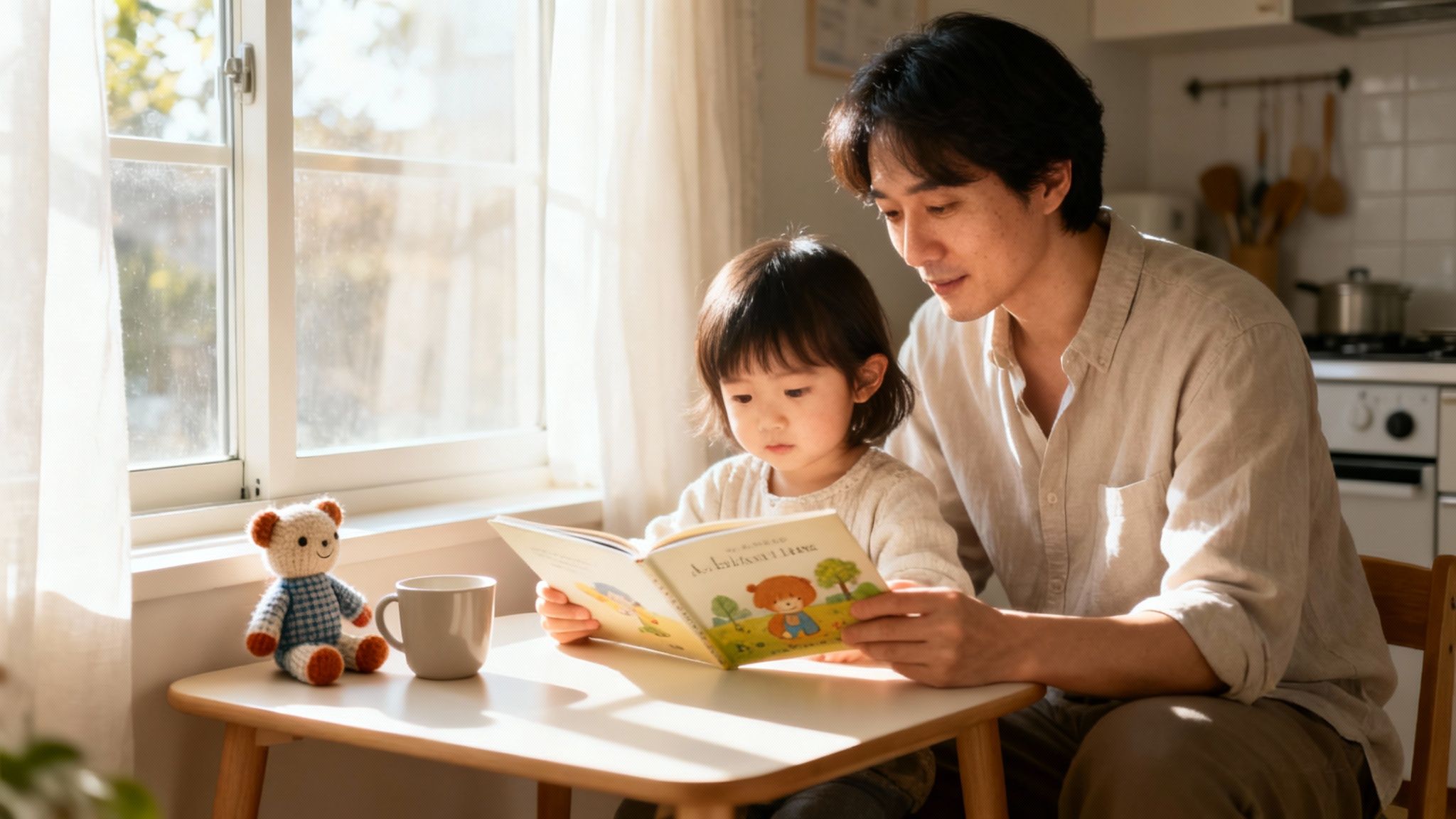
The essence of this proverb is the recognition of whānau as the primary educators. It champions the idea that learning is woven into the fabric of everyday family life, from storytelling and shared activities to observing elders. This perspective values the knowledge and wisdom held within the family unit as much as any formal curriculum, creating a seamless connection between home and institutional learning.
Why This Whakataukī Matters for Learning
Adopting this whakataukī strengthens the partnership between educators and families. When educational providers acknowledge and respect the home as the first "whare wānanga," it validates the cultural capital and knowledge that learners bring with them. This approach fosters a more holistic and culturally responsive learning environment, improving engagement and outcomes by making learning relevant to the learner's own life and heritage. It empowers families to see themselves as active, valued partners in the educational journey.
Practical Ways to Apply This Principle
Create a strong bridge between home and your learning environment with these strategies:
- Engage Whānau in Learning Initiatives: Invite parents, caregivers, and elders to share their skills, stories, or expertise. This could be a guest session in a business course or a cultural sharing day in a workshop.
- Provide Resources for Home-Based Learning: Develop simple, accessible take-home activities or resource kits that align with your course content, empowering families to reinforce learning together. For example, a photography course could provide a fun "scavenger hunt" for families to do over the weekend.
- Create Communication Bridges: Establish regular, positive communication channels that go beyond progress reports. Use newsletters, online groups, or informal catch-ups to share what is being learned and invite family input.
- Respect and Incorporate Family Knowledge: Actively seek to understand the backgrounds and knowledge systems of your learners. Integrate these perspectives into your teaching to make content more relatable and meaningful.
5. Kia tupato ki te potae o Rongo
This insightful whakataukī about learning translates to "Be careful under the hat of Rongo," where Rongo is the atua (god) of peace, cultivation, and kumara. It serves as a powerful metaphor for the learning process, urging caution, thoughtfulness, and patience. The "potae" or hat of Rongo represents the realm of cultivated knowledge, a space that requires careful tending, not hasty harvesting. This proverb teaches that true understanding isn't rushed; it grows from deliberate contemplation and respect for complexity.
The essence of this whakataukī is a warning against superficial or rushed learning. Just as a gardener must patiently tend to their crops to ensure a healthy harvest, a learner must give ideas time to germinate and mature. It promotes a "slow learning" approach, where deep thinking, critical analysis, and reflection are valued over speed and rote memorisation. It is a call to honour the process, not just the outcome.
Why This Whakataukī Matters for Learning
In a fast-paced world that often prizes quick answers, this proverb is a vital reminder of the value of depth. Applying "Kia tupato ki te potae o Rongo" fosters a learning environment where curiosity can flourish without the pressure of immediate mastery. It encourages learners to ask questions, explore nuances, and sit with uncertainty, which are all hallmarks of profound intellectual and personal growth. This approach helps build wisdom, not just accumulate facts.
Practical Ways to Apply "Kia Tupato ki te Potae o Rongo"
Embrace the spirit of deliberate learning with these actionable strategies:
- Integrate Reflection Checkpoints: In any project or course, build in dedicated time for reflection. This could be a weekly journaling prompt or a short debrief session after a complex task.
- Model 'Thinking Aloud': As an educator or leader, demonstrate your own thought process when solving a problem. Show that it’s okay to pause, reconsider, and approach a challenge from different angles.
- Use Contemplative Practices: Begin a session with a few moments of quiet thought focused on a specific question. This settles the mind and prepares it for deeper engagement with the material.
- Encourage 'Slow Questioning': Instead of looking for the single "right" answer, foster an environment where learners can explore multiple possibilities and articulate the reasoning behind their ideas, even if they are still developing.
6. Koia te ture: ki te kai a te atua
This powerful whakataukī about learning translates to "Such is the law: to partake of the food of the gods." It frames knowledge (mātauranga) as something sacred and divine, a nourishing substance from a higher source. This proverb teaches that learning is not merely an intellectual exercise but a spiritual privilege that connects us to ancestral wisdom and a deeper understanding of the world. It commands reverence, respect, and gratitude in the pursuit of education.
The phrase "kai a te atua" (food of the gods) elevates knowledge beyond a simple commodity. It suggests that true learning nourishes the spirit as well as the mind and requires a certain level of readiness and respect from the learner. This perspective asks us to approach our studies not with entitlement, but with humility and an appreciation for the privilege of gaining new insights.
Why This Whakataukī Matters for Learning
Incorporating this proverb helps cultivate a profound respect for the learning process. When learners view knowledge as sacred, they are more likely to engage with it deeply, value their educators, and honour the traditions from which the knowledge comes. It encourages a mindset of stewardship, where learners become responsible keepers and sharers of the wisdom they acquire. This is especially vital in cultural and vocational contexts where skills are passed down through generations.
Practical Ways to Apply "Ki te Kai a te Atua"
Treat learning as a sacred exchange with these intentional practices:
- Acknowledge Knowledge Keepers: Formally recognise and thank teachers, experts, or elders at the beginning and end of a session. This honours the source of the "food" you are about to receive.
- Create Opening and Closing Rituals: Start a workshop or course with a moment of reflection or a karakia (incantation/prayer) to set a respectful tone. A simple closing can involve sharing one key takeaway as a group, honouring the knowledge gained.
- Teach with Gratitude: Encourage learners to reflect on the privilege of having access to education. This can be as simple as a journal prompt asking, "What am I grateful to have learned today?"
- Connect Learning to Legacy: Frame new skills and knowledge as part of a larger story. For instance, in a farming course, discuss how modern techniques build upon the wisdom of past generations who worked the land.
7. Ake, ake, ake – ā tōnu atu
This powerful whakataukī about learning translates to "For ever and ever – continuing without end." It beautifully captures the idea that learning is a lifelong, continuous journey, not a destination with a final endpoint. This proverb encourages an mindset of perpetual growth, reminding us that knowledge is always evolving and there is always more to discover. It champions the value of continuous improvement, adaptation, and curiosity throughout our lives.
The essence of "Ake, ake, ake" is the embrace of an infinite learning curve. It challenges the traditional model of education being confined to childhood and early adulthood. Instead, it promotes the idea that every experience, every challenge, and every day offers a new opportunity to learn and develop, regardless of age or profession.
Why This Whakataukī Matters for Learning
Adopting this proverb fosters resilience, adaptability, and a profound love of learning. In a world of rapid change, the belief that learning is continuous is essential for staying relevant and fulfilled. It shifts the focus from achieving a single qualification to building a sustainable habit of personal and professional development. This mindset is crucial for everything from mastering a new hobby to thriving in a dynamic career.
Practical Ways to Apply "Ake, Ake, Ake"
Embrace the spirit of lifelong learning with these actionable strategies:
- Frame Learning as a Journey: In training or course materials, use language that presents skills as part of an ongoing journey. Avoid definitive statements like "you will now be an expert," and instead use phrases like "this is the next step in your development."
- Build Habits of Reflection: Encourage learners to regularly reflect on what they have learned and what they want to explore next. A simple weekly journal or a "things I'm curious about" list can institutionalise this habit.
- Model Lifelong Learning: As a leader or educator, openly share what you are currently learning. This demonstrates that growth is a perpetual process for everyone, normalising the pursuit of new knowledge at any stage.
- Celebrate Incremental Progress: Acknowledge and celebrate small wins and consistent effort, not just final outcomes. This reinforces the value of the process itself and motivates learners to keep going.
8. Whānau tuatahi: he whānau, he pūtea, he tohu
This insightful whakataukī about learning translates to, "The first family (or primary group) consists of: a family, resources, and recognition." It offers a powerful, holistic framework for creating the conditions necessary for successful learning. The proverb argues that true educational success isn't just about curriculum; it requires a three-pronged foundation: a supportive community (whānau), adequate tools and funding (pūtea), and meaningful validation of effort and achievement (tohu).
This whakataukī moves the conversation beyond the individual learner to the ecosystem surrounding them. It asserts that for anyone to thrive, they must feel a sense of belonging, have access to the necessary resources to do the work, and see their progress acknowledged. Neglecting any one of these pillars undermines the entire learning structure.
Why This Whakataukī Matters for Learning
In any educational setting, from a community workshop to an online course, this proverb serves as a crucial checklist for effectiveness. It reminds educators and organisers that providing content alone is not enough. Learners need to feel emotionally and socially supported, physically equipped for the tasks at hand, and motivated by the knowledge that their hard work is seen and valued. This creates a sustainable and empowering learning environment where people can truly flourish.
Practical Ways to Apply "He whānau, he pūtea, he tohu"
Embrace this holistic model with these actionable strategies:
- Build a Learning Whānau: Foster strong connections by treating learners and their families as partners. This can be achieved through regular check-ins, creating collaborative group projects, and establishing an open, supportive communication channel.
- Advocate for Equitable Resources: Ensure all learners have access to the tools they need, whether that means providing course materials, access to technology, or financial support where possible. This is a key step in removing barriers to participation.
- Create Meaningful Recognition: Go beyond simple grades or pass/fail outcomes. Implement systems that celebrate progress, effort, and diverse achievements, such as digital badges, certificates of completion, or opportunities to showcase new skills.
- Integrate Holistic Support: Recognise that learning is impacted by life outside the classroom. For those managing busy lives, finding effective study methods is crucial. You can discover effortless learning hacks for jam-packed schedules that help integrate learning into a wider context.
8 Māori Proverbs on Learning — Comparison
Integrating Whakataukī into Your Lifelong Learning Journey
We have explored a powerful collection of whakataukī about learning, each offering a unique lens through which to view knowledge, growth, and community. These are not merely historical proverbs to be admired; they are living, breathing frameworks for action, providing a blueprint for a more holistic and connected approach to education and personal development in Aotearoa New Zealand.
From the collective spirit of Ko au, ko koe, ko ia – tātou katoa to the profound understanding that our true strength lies in collaboration (Ehara taku toa i te toa takitini), these whakataukī consistently guide us away from an individualistic mindset. They remind us that learning is a shared journey, enriched by the perspectives and support of our whānau, colleagues, and community. The wisdom embedded within these phrases encourages a deep sense of responsibility, humility, and lifelong curiosity.
Key Takeaways for Your Learning Path
As you move forward, consider how to actively weave these concepts into your daily practices. The journey of learning is continuous, much like the enduring strength suggested by Ake, ake, ake. To truly honour this wisdom, we must shift from being passive recipients of information to active participants in our own growth.
Here are some actionable principles to carry with you:
- Embrace Collective Wisdom: Actively seek out opportunities to learn with and from others. Whether in a study group, a business mastermind, or a community project, recognise that shared knowledge builds a stronger foundation for everyone.
- Acknowledge the Source: True learning involves understanding the context and origins of knowledge, as highlighted by Kia tupato ki te potae o Rongo. Always approach new information with respect and a desire to understand its deeper meaning, not just its surface-level application.
- Prioritise Action and Application: Mātauranga Māori, or Māori knowledge, is often deeply practical. The goal is not just to know, but to do. Apply what you learn in tangible ways, whether you are developing a new business strategy, refining a creative skill, or improving your work on the farm. As you integrate these whakataukī into your daily life, exploring effective knowledge retention strategies can further solidify your learning journey.
- Cultivate Lifelong Curiosity: View your home, your workplace, and your community as learning environments, just as Ko te whare tuatahi he whare wānanga teaches. Every interaction and every challenge presents an opportunity to gain new insights and skills.
The Enduring Power of Ancestral Wisdom
Integrating these whakataukī about learning into your life is more than an intellectual exercise; it is about adopting a mindset that values connection, patience, and purpose. It is about understanding that true mastery is a journey, not a destination. This ancestral wisdom provides a powerful anchor in a fast-paced world, offering timeless guidance for anyone committed to continuous improvement.
Whether you are launching a side hustle, advancing in your career, or simply pursuing a passion, these principles can help you build resilience and find deeper meaning in your efforts. They encourage you to be strong (kia kaha), to be brave in tackling new challenges (kia māia), and to be patient with the process (kia manawanui). By embracing this philosophy, you are not only enriching your own life but also honouring a profound cultural legacy that continues to shape and inspire Aotearoa.
At Prac Skills, we are inspired by this philosophy of practical, continuous growth. Our flexible, NZ-focused courses are designed to fit into your life, empowering you to gain market-ready skills and confidence, embodying the spirit found in these whakataukī about learning. Explore our course bundles to find your next learning adventure and start applying these timeless principles today at Prac Skills.