
February 2, 2026
.webp)

Land the Role: 10 Best Questions to Ask in an Interview for 2026
Turn the tables with the best questions to ask in an interview. Our guide gives you strategic questions to reveal company culture and secure your next role.
Practical Skills
minutes
Walking into a job interview, most of us focus on preparing perfect answers. But the real power move isn’t just answering questions; it's asking them. The questions you pose to an interviewer reveal your insight, enthusiasm, and strategic thinking far more than any rehearsed response. This isn't just about showing you've done your homework; it's about conducting your own due diligence to ensure the role, the team, and the company culture are the right fit for your ambitions. A well-placed question can transform the interview from a one-sided interrogation into a collaborative conversation.
In this guide, we've curated a definitive list of the best questions to ask in an interview, tailored for the unique dynamics of the New Zealand job market. We will break down each question by explaining why it's impactful, the ideal moment to ask it, and how to interpret the answer you receive. The goal is to provide you with a strategic toolkit that goes beyond generic advice, offering actionable insights you can implement immediately. For a deeper dive into specific examples, consider exploring these 10 smart questions to ask an employer.
Whether you're aiming for a role in agriculture, a creative field, or a digital-first industry, these questions will empower you to move from being a passive candidate to an active participant. You'll learn how to uncover the truth behind the job description, make a lasting professional impression, and ultimately determine if the opportunity truly aligns with your career goals.
1. Questions About the Role & Responsibilities
The job description provides a blueprint, but the day-to-day reality of a role can be vastly different. Asking detailed questions about the position itself demonstrates your genuine interest and helps you visualise yourself succeeding. These are some of the best questions to ask in an interview because they cut through jargon and uncover the practical, on-the-ground expectations.
This line of questioning shows you're not just looking for any job; you're looking for the right job where you can make a meaningful contribution from your first day. It signals to the interviewer that you are a proactive, detail-oriented candidate who is already thinking about performance and integration.
When to Ask
These questions are most effective during the initial or second-stage interviews, typically when you're speaking with the hiring manager or a direct team leader. This is your chance to understand the operational specifics directly from the person who will be managing your performance.
Sample Questions
To get a clearer picture, try asking nuanced versions of standard questions:
- "Beyond the key responsibilities listed, could you walk me through what a typical day or week looks like in this role?"
- "What are the most important priorities for the person in this role to focus on in their first 30, 60, and 90 days?"
- "How is success measured for this position? Are there specific Key Performance Indicators (KPIs) or metrics I would be accountable for?"
- "What do you see as the biggest challenge for the person taking on this role?"
Suggested Follow-ups
Your follow-up questions can reveal even more about the role and team culture. Based on their answers, you could ask:
- If they mention a specific project: "That sounds like an interesting project. Which other teams or departments would I be collaborating with on that initiative?"
- If they discuss KPIs: "Thank you for clarifying the KPIs. How does the team track progress towards these goals, and how often are they reviewed?"
2. Questions About Team & Company Culture
Understanding the team dynamics and the broader company culture is just as crucial as knowing the role's responsibilities. Your ability to thrive, collaborate, and feel engaged at work often depends on how well you fit into the workplace environment. Asking about culture helps you look beyond the job description to see if the company's values, communication style, and work environment align with your own.
This line of questioning demonstrates that you are a thoughtful candidate considering long-term success and integration. It signals to the interviewer that you value collaboration, a positive work environment, and are looking for a mutual fit, not just a paycheque. These are some of the best questions to ask in an interview because they uncover the unwritten rules and social fabric of the organisation.
When to Ask
Questions about culture are excellent for second or final-stage interviews, especially when speaking with potential team members or senior leaders. While you can touch on it with HR, getting the perspective of people you would work with daily provides a more authentic and detailed picture of the team's reality.
Sample Questions
To gauge the cultural fit, move beyond generic questions and get specific:
- "Could you describe the team's communication style? For example, is it more formal with scheduled meetings, or informal through platforms like Slack or Teams?"
- "How does the company or team celebrate successes and handle challenges or failures?"
- "What are the most important values that you see lived out by the team on a day-to-day basis?"
- "What kind of person tends to succeed here, and what qualities are most valued in team members?"
Suggested Follow-ups
Listen closely to their answers and dig deeper to understand the nuances of the workplace culture:
- If they describe their communication style: "That’s helpful, thank you. How is feedback typically shared within the team, both positive and constructive?"
- If they mention a specific company value (e.g., 'collaboration'): "It’s great that collaboration is a key value. Could you give me an example of a recent project where that was particularly important for the team's success?"
3. Questions About Team Dynamics & Culture
Understanding the people you'll work with is just as important as understanding the role itself. A company's culture and the specific dynamics of your potential team will profoundly impact your job satisfaction and performance. Asking about the team shows that you value collaboration, communication, and a positive work environment.
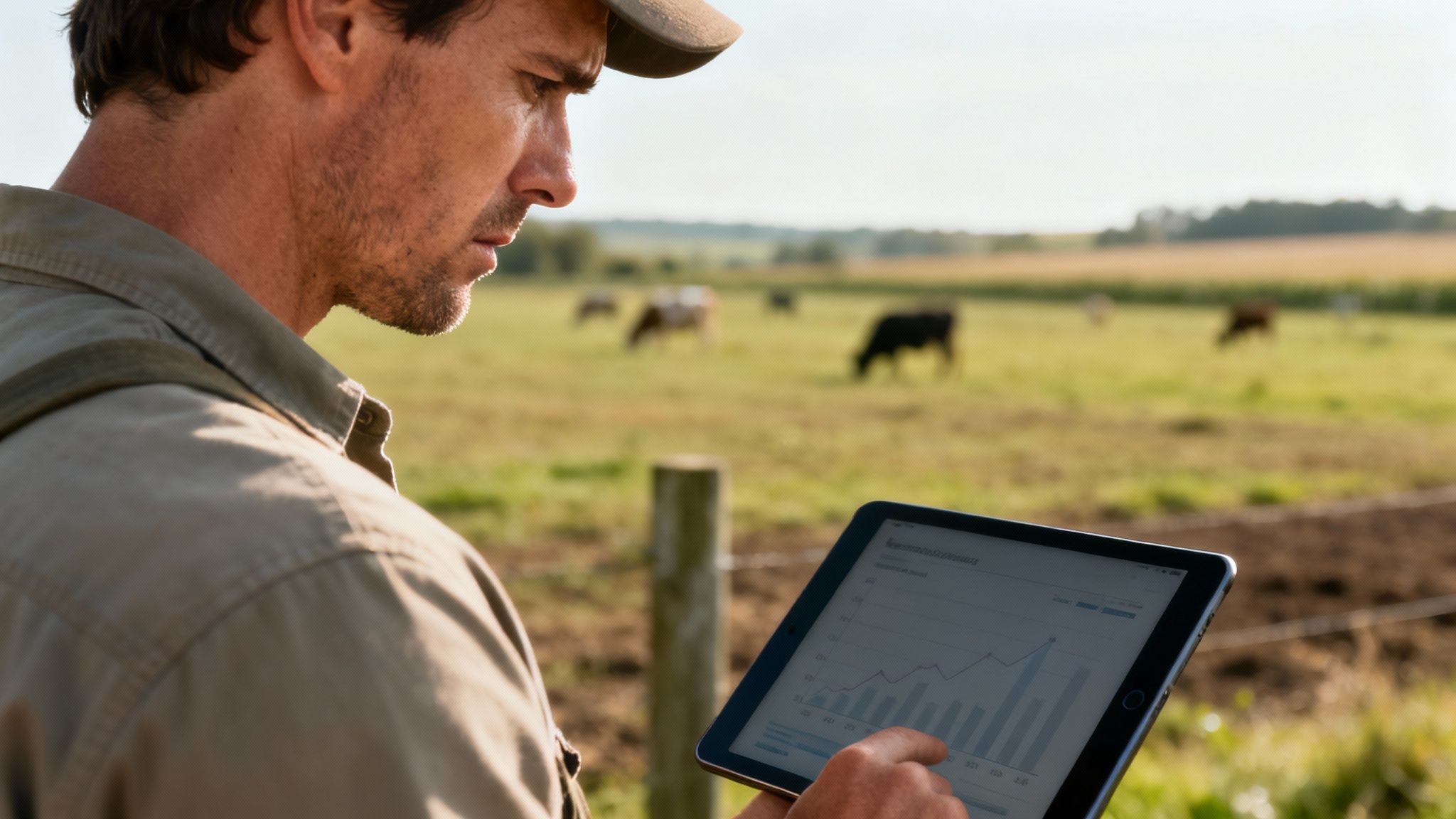
These are some of the best questions to ask in an interview because they reveal the unspoken rules and interpersonal relationships that define the workplace. This line of questioning signals to the interviewer that you are not just a skilled individual, but also a potential team player who is looking for a place to integrate and thrive long-term.
When to Ask
Questions about team dynamics are excellent for second or final-stage interviews. They are particularly effective when speaking with potential peers or the hiring manager, as these individuals can offer first-hand insights into the team's daily interactions and collaborative processes. Asking too early might seem premature, but in later stages, it shows you are seriously envisioning yourself as part of the team.
Sample Questions
To gain genuine insight into the team's working style, move beyond generic questions about culture:
- "Could you describe the team's communication style? For example, is it more formal with scheduled meetings, or informal through platforms like Slack?"
- "How does the team collaborate on projects, and what does the feedback process look like?"
- "What are the different working styles on the team, and how do they complement each other?"
- "What do you enjoy most about working with this particular team?"
Suggested Follow-ups
Listen carefully to their answers and use follow-up questions to dig deeper into the cultural fit:
- If they mention a specific collaboration tool: "That's great you use Slack. How does the team handle urgent requests versus general updates to minimise distractions?"
- If they describe the feedback process: "Thank you for explaining that. Can you share an example of how the team has worked together to solve a difficult challenge or overcome a setback?"
4. Questions About the Team & Company Culture
Understanding the people you'll work with and the environment you'll be in is just as important as knowing the role's responsibilities. Asking about team dynamics and company culture helps you gauge whether your work style and values align with the organisation's. These are some of the best questions to ask in an interview because they reveal the unspoken rules, relationships, and rhythms of the workplace.
This line of questioning demonstrates that you are looking for a long-term fit, not just a job. It shows the interviewer that you are a thoughtful candidate who understands that success is a collaborative effort and that a positive, supportive culture is key to both personal and organisational achievement.

When to Ask
Questions about culture are excellent for the second or final stages of the interview process, especially when speaking with potential team members or senior leaders. These individuals can provide authentic insights into the daily work environment, team collaboration, and the overarching company ethos that a job description simply cannot capture.
Sample Questions
To gain genuine insight into the workplace atmosphere, consider these questions:
- "Could you describe the team's communication style? For example, is it more formal or informal, and do you primarily use email, instant messaging, or face-to-face meetings?"
- "What are the most important values of the company, and how do you see them reflected in the team's day-to-day work?"
- "How does the team handle collaboration and feedback, particularly when working on tight deadlines or challenging projects?"
- "What do you enjoy most about working here, and what makes this company a great place to be?"
Suggested Follow-ups
Listen carefully to their responses and use follow-up questions to dig deeper into the team's character and cultural norms:
- If they describe the team as collaborative: "That’s great to hear. Can you give me an example of a recent project that required significant team collaboration and what that process looked like?"
- If they mention a specific company value (e.g., innovation): "How is innovation encouraged within the team? Are there opportunities for team members to propose new ideas or experiment with different approaches?"
5. Questions About Career Development & Growth Opportunities
Understanding a company's approach to professional development is crucial for gauging your long-term potential within the organisation. Asking about growth reveals whether the company invests in its people, which is a strong indicator of a positive and forward-thinking culture. These are some of the best questions to ask in an interview because they show you are ambitious and plan to stay and contribute for the long haul.
This line of questioning positions you as a high-potential candidate who is not just seeking a paycheque, but a genuine career path. It signals to the interviewer that you are proactive about your own development and are looking for a partnership where both you and the company can grow together.
When to Ask
These questions are best reserved for later-stage interviews, particularly when speaking with the hiring manager or a senior leader. Raising them too early can seem presumptuous. Once you've established your suitability for the current role, you can then explore your future potential within the company.
Sample Questions
To understand the real opportunities available, move beyond generic questions and ask for specifics:
- "What do career paths for high-performers in this role typically look like? Could you share an example of someone who started in this position and has since grown within the company?"
- "Does the company offer a budget for professional development, such as attending industry conferences, workshops, or pursuing further certifications?"
- "How are learning and development opportunities identified and supported? Is there a formal process for this?"
- "Beyond a direct promotion, what other opportunities are there to take on more responsibility or learn new skills in this role?"
Suggested Follow-ups
Their answers can open the door to deeper insights into the company culture and management style. Consider these follow-ups:
- If they mention internal promotions: "That's great to hear. What is the typical timeframe for performance reviews, and how are promotion opportunities communicated to the team?"
- If they discuss a training budget: "Thank you for that information. Are employees encouraged to proactively suggest courses or training that align with their career goals and the company's objectives?"
6. Tell me about a time you faced a setback or failure and how you responded to it
This classic behavioural question is one of the best questions to ask in an interview because it moves beyond a candidate's curated list of achievements. It provides a powerful window into their resilience, problem-solving skills, accountability, and capacity for growth. The answer reveals how a person truly operates under pressure when things don't go according to plan.
For any role, especially those requiring grit and adaptability like farming or starting a side hustle, this question is invaluable. It helps you understand if a candidate learns from mistakes or deflects blame. Their story uncovers character, showing whether they possess the persistence needed to overcome the inevitable challenges of a new role, from mastering difficult learning material to navigating business-building obstacles.
When to Ask
This question is best reserved for a second or final-stage interview, once a baseline of rapport and trust has been established. It requires a degree of vulnerability, so asking it too early can feel confrontational. It is most effective when asked by the hiring manager or a senior team member who can properly evaluate the strategic thinking behind the candidate's response.
Sample Questions
To elicit a genuine and insightful response, you can frame the question in several ways depending on the context:
- "Can you describe a significant professional setback you've experienced and walk me through how you handled the situation?"
- For business owners: "Tell me about a business decision that didn't work out as planned. What did you learn from it and how did you recover?"
- For farmers: "Could you share an example of a season or project that faced unexpected challenges, like poor weather or a disease outbreak, and explain the steps you took to manage it?"
- "Describe a time you received difficult feedback. How did you process it and what did you do differently afterward?"
Suggested Follow-ups
The initial answer is just the starting point. Probing deeper will reveal the candidate's true level of self-awareness and learning agility.
- If they describe the situation: "Thank you for sharing that. What was the most important lesson you took away from that experience?"
- If they explain their actions: "Looking back, is there anything you would do differently now?"
- If they mention a team failure: "What was your specific role in the situation, and what steps did you personally take to help the team move forward?"
- To assess support-seeking: "Did you seek advice or support from a manager, mentor, or colleague during that time?"
7. Questions About Staying Current with Industry Trends
An industry’s landscape is never static; it constantly evolves with new technologies, regulations, and best practices. Asking a candidate how they keep up with these changes is one of the best questions to ask in an interview because it assesses their commitment to continuous learning and professional development. This is especially vital in practical, hands-on fields like agriculture, animal care, and the creative arts.
This line of questioning reveals whether a candidate is a passive observer or a proactive participant in their industry. It shows you if they are genuinely passionate and engaged, or simply going through the motions. A candidate who actively seeks out new knowledge is more likely to bring fresh ideas and innovative solutions to your business.
When to Ask
This question is highly effective in interviews for roles where industry knowledge is critical to success. It's best asked after you've covered the basics of their experience, often during a second interview or when discussing their long-term career aspirations. This timing allows the conversation to shift from past accomplishments to future potential and adaptability.
Sample Questions
To gauge their commitment to staying informed, you can ask specific, tailored questions:
- "How do you stay current with industry trends and new developments in your field?"
- For a farmer or agricultural worker: "Which agricultural publications, online forums, or networks do you follow to learn about new farming techniques?"
- For a creative professional: "How do you stay updated on design, photography, or digital media trends, and which influencers or resources do you find most valuable?"
- For an animal care provider: "What new animal behaviour or training methods are you currently learning about?"
Suggested Follow-ups
A strong candidate will be able to provide specific examples. Use their answers as a launchpad for deeper follow-up questions:
- If they mention a specific publication or course: "That's a great resource. Can you share an example of a recent trend you learned about and how you applied it in a practical way?"
- If they discuss online communities: "How do you contribute to or engage with those professional networks?"
- To assess implementation: "That's an interesting development. How quickly do you typically test new ideas or techniques in your work once you've learned about them?"
8. Questions About Time Management & Juggling Priorities
Understanding a candidate's approach to managing their time is crucial, especially in roles requiring autonomy and the ability to handle multiple tasks. For Kiwi business owners, side hustlers, and busy professionals, this skill is non-negotiable. Asking how they balance competing demands reveals their organisational skills, discipline, and ability to realistically commit to new responsibilities.
This line of questioning is one of the best questions to ask in an interview because it goes beyond qualifications to assess a candidate's practical ability to deliver. It shows you're looking for someone who can not only do the work but also manage their workload effectively within a dynamic environment. It uncovers their self-discipline, a key predictor of success in self-directed roles.
When to Ask
This question is highly effective in interviews for roles that are remote, flexible, or involve significant project-based work. It's particularly relevant when speaking to candidates who are also running their own business, freelancing, or working another job. Ask this during the main interview stage to gauge their capacity and commitment.
Sample Questions
To understand their real-world capabilities, frame the questions around specific scenarios:
- "Can you walk me through how you organised your priorities and managed your time last week?"
- "Describe a time you had to juggle multiple high-priority projects. How did you decide what to focus on first?"
- "For those balancing a side hustle or business, how do you protect time for professional commitments like this role?"
- "How do you typically plan your week to ensure all your responsibilities, both professional and personal, are met?"
Suggested Follow-ups
Their answers provide a great starting point for deeper insights. You can follow up with:
- If they describe a structured system: "That sounds very organised. What happens to your plan when an unexpected, urgent task lands on your desk?"
- If they mention specific tools: "You mentioned using a particular software to track your tasks. How does that tool help you collaborate with others and report on progress?"
- To gauge realistic commitment: "Many find success in this role by dedicating X to Y hours per week. Based on your current commitments, how does that align with your capacity?"
For more strategies on how to effectively balance work, life, and personal growth, check out our guide on time hacks for busy learners.
9. Questions About Company Culture & Team Dynamics
Understanding the company culture and how the team interacts is crucial for determining your long-term satisfaction and success. A role might seem perfect on paper, but a mismatched cultural fit can lead to disengagement. Asking about culture and team dynamics is one of the best ways to gauge the real-life working environment beyond the polished statements on a company's website.
This line of questioning signals to the interviewer that you are a thoughtful candidate who understands that success is not just about technical skills, but also about collaboration, communication, and fitting into the team's ecosystem. It shows you are looking for a place where you can thrive and build lasting professional relationships, making you a more attractive, long-term prospect.
When to Ask
These questions are best reserved for later-stage interviews, particularly when you are speaking with potential teammates or the hiring manager. You can also bring them up during a final interview with a senior leader to get a high-level perspective. Asking too early can seem premature, but asking at the right time shows you are seriously considering their offer.
Sample Questions
To gain genuine insight into the workplace atmosphere, consider asking these types of questions:
- "Could you describe the team's working style? Is it more collaborative, with frequent team projects, or are people more autonomous in their roles?"
- "How does the team handle disagreements or conflicting ideas when working on a project?"
- "What are some of the ways the team celebrates successes or acknowledges achievements, both big and small?"
- "How would you describe the communication style within the team and with management? For example, is it more formal with scheduled meetings, or informal via chat platforms?"
Suggested Follow-ups
The interviewer’s responses can open the door to deeper, more revealing conversations. Use their answers to guide your follow-ups:
- If they describe a collaborative environment: "That’s great to hear. Could you give me an example of a recent project where the team collaborated effectively to overcome a challenge?"
- If they mention specific communication tools: "You mentioned you use [e.g., Slack] for informal communication. How does the team ensure everyone stays aligned on key priorities with these tools?"
10. "Is there anything about your background you'd like to share, or any final questions for me?"
Often framed as "Do you have any questions for me?", this closing query is more than a polite formality. It’s a crucial final check that gives you, the candidate, the power to address any lingering uncertainties, reinforce your suitability, and demonstrate your genuine enthusiasm for the position. The questions you ask here reveal your priorities and how deeply you have considered the role.
This is your last chance to make a strong impression, ensuring you leave the conversation with all the information you need to make an informed decision. For the interviewer, your response is a powerful indicator of your preparation, critical thinking, and what truly matters to you in your next career move. It’s one of the best questions to ask in an interview precisely because it puts the final, most memorable thoughts in your hands.
When to Ask
This question is invariably asked at the very end of the interview. It signifies that the formal part of the discussion is over and opens the floor for a more candid, candidate-led exchange. Be prepared with thoughtful questions, as having none can sometimes be interpreted as a lack of interest or preparation.
Sample Questions
Your closing questions should be strategic, filling in any gaps in your understanding of the role, team, or organisation.
- "Based on our conversation, do you have any reservations about my qualifications or my ability to succeed in this role?"
- "What are the next steps in the interview process, and what is the ideal timeline for making a hiring decision?"
- "You mentioned the team is focused on [specific goal]. How does this role directly contribute to achieving that outcome?"
- "Is there anything else I can provide to help you with your decision-making process?"
Suggested Follow-ups
Your reaction to their answers can solidify your position as a thoughtful and engaged candidate.
- If they outline the next steps: "Thank you, that’s very clear. I look forward to hearing from you around that time. Is there a best person to contact if I have any further questions?"
- If they express a concern: "I appreciate your transparency. Could I take a moment to elaborate on my experience with [the area of concern]? I believe my work on [specific project] demonstrates my capabilities here."
Top 10 Interview Questions Comparison
Your Interview, Your Future: Taking Control of the Conversation
An interview is far more than a simple question-and-answer session; it's a strategic conversation that determines the next step in your professional journey. The moment an interviewer asks, "Do you have any questions for us?" is not a formality. It is your single greatest opportunity to shift the dynamic, demonstrate your value, and gather the critical intelligence you need to decide if this role is truly the right fit for you. By moving beyond generic inquiries and preparing a thoughtful selection of the best questions to ask in an interview, you transform yourself from a passive applicant into an active, engaged, and highly desirable candidate.
The questions detailed in this guide serve a dual purpose. Firstly, they provide you with a framework to deeply understand the role, the team culture, and the organisation’s future. Secondly, and just as importantly, they signal to the hiring manager that you are a strategic thinker who is genuinely invested in making a meaningful contribution.
Key Takeaways: From Applicant to Strategic Partner
Reflecting on the various categories of questions we've covered, from understanding team dynamics to clarifying performance expectations, several core principles emerge. Mastering these will fundamentally change how you approach your next interview.
- Curiosity Demonstrates Competence: Asking insightful questions about challenges, success metrics, and team collaboration shows you are already thinking like a member of the team. It proves you are not just looking for a job, but for this job, and that you are considering how you can add specific value from day one.
- An Interview is a Two-Way Street: Remember, you are also evaluating the employer. Your questions are your primary tool for due diligence. The answers you receive can reveal potential red flags, uncover hidden opportunities, or confirm that the company’s values align with your own. Don't be afraid to probe deeper to ensure your long-term career satisfaction.
- Preparation is Power: Walking into an interview with a pre-prepared, categorised list of questions gives you a significant advantage. It allows you to be present and listen actively, rather than scrambling to think of a question on the spot. This preparation showcases your professionalism and organisational skills before you've even been hired.
Actionable Next Steps: Putting Your Knowledge into Practice
Information is only useful when applied. To ensure you are fully prepared to take control of your next interview conversation, here are your immediate next steps:
- Curate Your Personal Question Bank: Review the extensive list in this article and select 10-15 questions that resonate most with your career goals and the specific roles you are targeting. Organise them into categories (e.g., The Role, The Team, The Company, Professional Development).
- Conduct Mock Interviews: Don't let the real interview be your first time asking these questions. Practise with a friend, a mentor, or even just by yourself. Focus on delivering your questions confidently and practice asking relevant follow-up questions based on hypothetical answers.
- Research and Customise: Before each interview, research the company, the interviewers (if you know who they are), and any recent news or projects. Customise your questions to reflect this research. Asking, "I saw your recent project launch in the Hawke's Bay region; how will this role contribute to that initiative's success?" is far more powerful than a generic equivalent.
By mastering the art of asking intelligent, strategic questions, you do more than just impress a potential employer. You empower yourself to make better career choices, negotiate from a position of strength, and find a workplace where you can not only succeed but truly thrive. This proactive approach ensures that your next role is not just a job, but a calculated step towards building the future you envision for yourself.
Ready to build the practical, in-demand skills that make you an indispensable candidate in any interview? At Prac Skills NZ, we provide hands-on, NZ-focused learning designed to give you the real-world expertise employers are actively seeking. Explore our courses at Prac Skills NZ and take the next step in your professional development journey today.